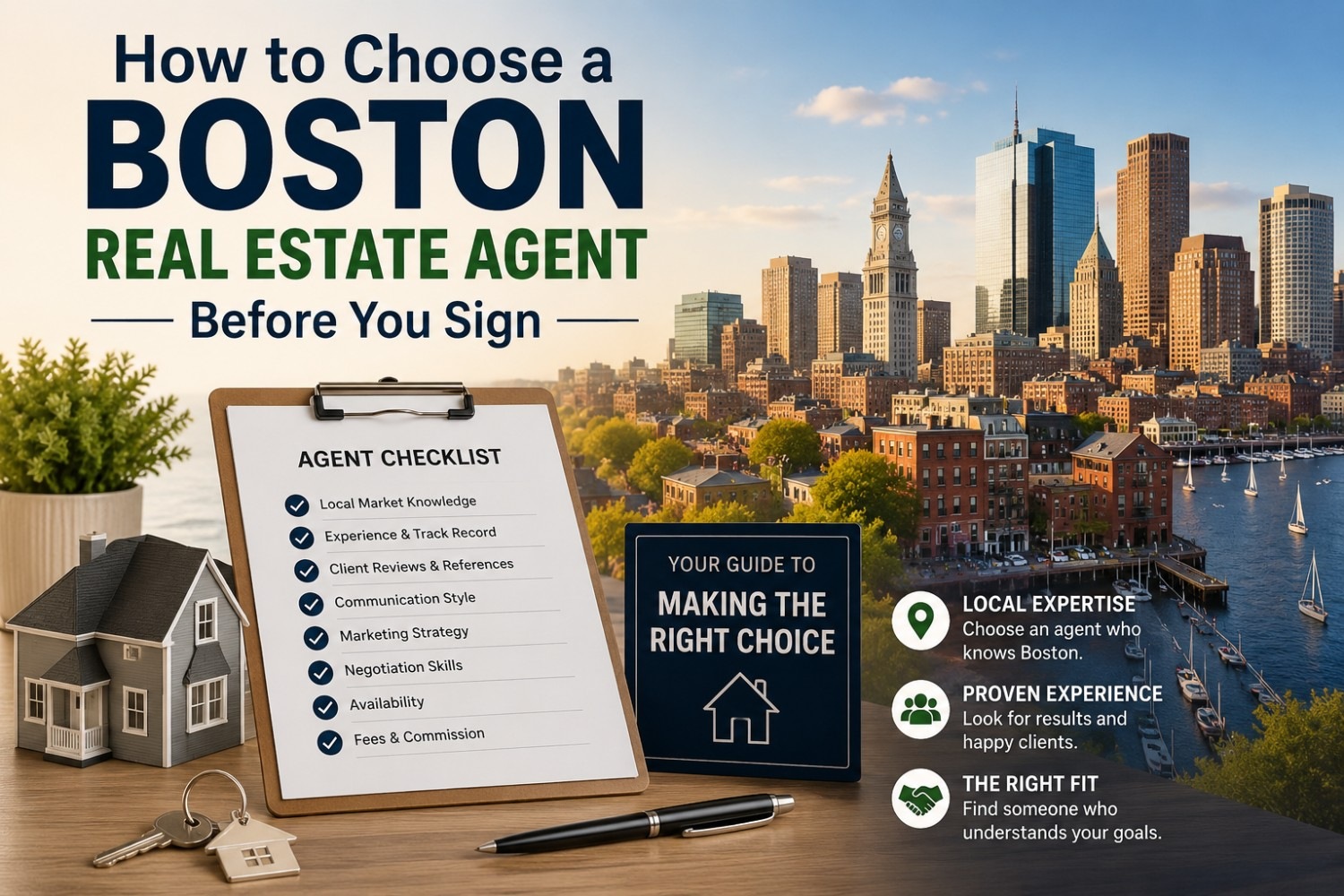


Boston First-Time Home Buyer Checklist for 2026
Buying your first home is exciting, but it can also feel overwhelming, especially in a competitive market like Boston. Between financing, property searches, inspections, negotiations, and closing costs, many first-time buyers discover there is much more to the process than simply finding a house they like.
The good news is that most first-time buyer mistakes are preventable with the right preparation.
Whether you are actively searching homes for sale, attending open houses, or just beginning to think about homeownership, this Boston First-Time Home Buyer Checklist will help you understand exactly what to do before, during, and after your home search.
Steps for First-Time Home Buyers in Boston
Use this guide as your roadmap for navigating the Boston housing market in 2026 with confidence.
Step 1: Understand What You Can Actually Afford
Before looking at a single house for sale, the first step is understanding your budget.
Many buyers focus solely on the maximum mortgage amount a lender will approve. However, affordability should be based on your lifestyle, not just lender calculations.
Your monthly housing budget should account for:
- Mortgage payment
- Property taxes
- Homeowners insurance
- Utilities
- HOA fees (if applicable)
- Maintenance costs
- Emergency savings
A home that stretches your budget too thin can quickly become stressful, even if you qualify for the loan.
First-Time Buyer Tip
Create a realistic monthly budget before speaking with lenders. Knowing your comfort zone will help narrow your search and prevent emotional decisions later.
Step 2: Improve Your Financial Position
The stronger your finances, the more options you will have.
Before beginning your home search, review:
- Credit score
- Existing debt
- Savings balance
- Employment history
- Monthly expenses
Lenders typically look for consistency and financial stability.
Even small improvements, such as paying down credit card balances or avoiding large purchases before applying for a mortgage, can strengthen your position.
Many first-time home buyer programs also offer assistance, but qualification requirements vary.
Step 3: Get Pre-Approved Before Looking at Homes
This is one of the most important items on any first-time home buyer checklist.
Mortgage pre-approval provides:
- A realistic budget range
- Stronger negotiating power
- Faster offer submission
- Greater credibility with sellers
In competitive Boston neighborhoods, sellers often prioritize buyers who already have financing in place.
Without pre-approval, you may fall in love with a property only to discover it exceeds your budget or financing capabilities.
Think of pre-approval as your ticket into the market.
Step 4: Define Your Must-Haves and Nice-to-Haves
One of the biggest mistakes first-time buyers make is searching without clear priorities.
Before viewing homes for sale, create two separate lists.
Must-Haves
These are features you cannot compromise on.
Examples include:
- Number of bedrooms
- Commute requirements
- Parking
- School district
- Home office space
Nice-to-Haves
These are features that would be great but are not essential.
Examples include:
- Finished basement
- Updated kitchen
- Large yard
- Walk-in closets
- Smart home technology
This exercise helps you stay focused when evaluating properties.
Step 5: Research Neighborhoods Before Properties
Many buyers spend too much time comparing houses and not enough time evaluating neighborhoods.
Remember:
You can renovate a house.
You cannot relocate the neighborhood.
Before focusing on a specific house for sale, consider:
- Commute times
- School systems
- Walkability
- Public transportation
- Local amenities
- Future development plans
In Greater Boston, neighborhoods can vary dramatically even within the same city.
The right location often has a greater long-term impact than the home itself.
Step 6: Build Your Home Buying Team
Buying a home involves multiple professionals.
The most successful buyers usually assemble their team early.
Your Team May Include:
- Realtor
- Mortgage lender
- Real estate attorney
- Home inspector
- Insurance provider
An experienced realtor can provide valuable guidance throughout the process, helping you understand pricing trends, market conditions, and negotiation strategies.
This support can be especially valuable for first-time buyers navigating a competitive market.
Step 7: Start Touring Homes Strategically
Once financing and priorities are established, it is time to begin touring homes.
When visiting properties, avoid focusing only on cosmetic features.
Pay attention to:
- Roof condition
- Windows
- Foundation
- Heating systems
- Water damage
- Layout functionality
- Storage space
Many first-time buyers become distracted by paint colors and staging while overlooking expensive maintenance issues.
Try to evaluate each property as both a home and an investment.
Step 8: Understand the Importance of the Home Inspection
A home inspection is one of the most critical parts of the buying process.
The goal is not necessarily to find a perfect property. Every home has flaws.
Instead, a home inspection helps identify:
- Structural concerns
- Electrical issues
- Plumbing problems
- Roofing conditions
- HVAC performance
- Safety hazards
Inspection findings can also influence negotiations and future budgeting decisions.
Skipping a home inspection may seem tempting in competitive situations, but doing so can expose buyers to significant risk.
Step 9: Be Prepared to Move Quickly
The Boston market often moves fast.
Well-priced homes may receive multiple offers shortly after listing.
To stay competitive:
- Have financing ready
- Know your budget
- Understand your priorities
- Maintain communication with your realtor
- Be ready to make decisions
Preparation often creates opportunities that less organized buyers miss.
Step 10: Understand Closing Costs
Many first-time buyers focus on down payments while overlooking closing costs.
Closing costs can include:
- Attorney fees
- Title insurance
- Loan fees
- Appraisal fees
- Recording fees
- Prepaid taxes and insurance
These expenses can add up quickly, so they should be included in your planning from the beginning.
Ask your lender for a detailed estimate early in the process to avoid surprises.
Step 11: Think Beyond Day One
Buying a home is a long-term decision.
Before making an offer, ask yourself:
- Will this home still work in five years?
- Does the neighborhood support my future goals?
- Is there enough space for life changes?
- Can I comfortably maintain the property?
The best home purchase is often the one that supports your future, not just your current situation.
Boston First-Time Home Buyer Checklist
Use this quick checklist before beginning your search:
Financial Preparation
- Review credit score
- Reduce debt where possible
- Build emergency savings
- Establish realistic budget
- Get mortgage pre-approval
Home Search Preparation
- Identify must-haves
- Identify nice-to-haves
- Research neighborhoods
- Connect with a realtor
- Schedule home tours
Offer and Purchase Preparation
- Review comparable sales
- Understand closing costs
- Schedule home inspection
- Secure homeowners insurance
- Prepare moving budget
Completing these steps can significantly reduce stress throughout the buying process.
Common Mistakes First-Time Buyers Should Avoid
Even well-prepared buyers occasionally make mistakes.
Some of the most common include:
- Shopping before pre-approval
- Ignoring total ownership costs
- Focusing only on the house
- Skipping the home inspection
- Making emotional decisions
- Draining savings for a down payment
Avoiding these pitfalls can help create a smoother and more successful buying experience.
Final Thoughts
Becoming a first-time home buyer is one of life’s biggest milestones.
The process can feel complex, but success usually comes down to preparation, patience, and good guidance. By understanding your finances, researching neighborhoods, securing financing early, and working with experienced professionals, you can navigate Boston’s competitive housing market with greater confidence.
The goal is not simply finding a house for sale. It is finding the right home, in the right location, at the right price, for your future.
When approached strategically, homeownership becomes much less intimidating and much more rewarding.
Ready to Buy Your First Home in Boston?
Purchasing your first home is a major decision, and having the right guidance can make all the difference. At Fenway Property Advisors, we help first-time buyers navigate every stage of the process, from financing and neighborhood selection to home tours, negotiations, and closing day.
Whether you are exploring homes for sale, comparing neighborhoods, or preparing for a home inspection, our team is here to provide local expertise and personalized support. Contact Fenway Property Advisors today and let us help you take the next step toward confident homeownership in Greater Boston.
Frequently Asked Questions
How much money should a first-time home buyer save before purchasing?
In addition to a down payment, buyers should budget for closing costs, moving expenses, inspections, and emergency savings.
Is mortgage pre-approval required?
While not legally required, pre-approval is highly recommended and often expected in competitive markets.
Why is a home inspection important?
A home inspection identifies potential issues with the property and helps buyers make informed decisions before closing.
Should I use a realtor as a first-time buyer?
Yes. A realtor can provide valuable guidance on pricing, neighborhoods, negotiations, and the overall home-buying process.
How long does it take to buy a home?
The timeline varies, but many buyers spend several weeks or months searching before finding the right property.
What is the biggest mistake first-time buyers make?
Starting the search before understanding their budget and obtaining financing approval.